Lilongwe · Malawi+265 998 195 307

§ IAbout Aquaponic for Life

A Malawian aquaculture company built for the long arc.

Aquaponic for Life was established to promote sustainable fish and vegetable farming while creating practical solutions for food security, livelihoods, youth empowerment, and climate-smart agriculture in Malawi.

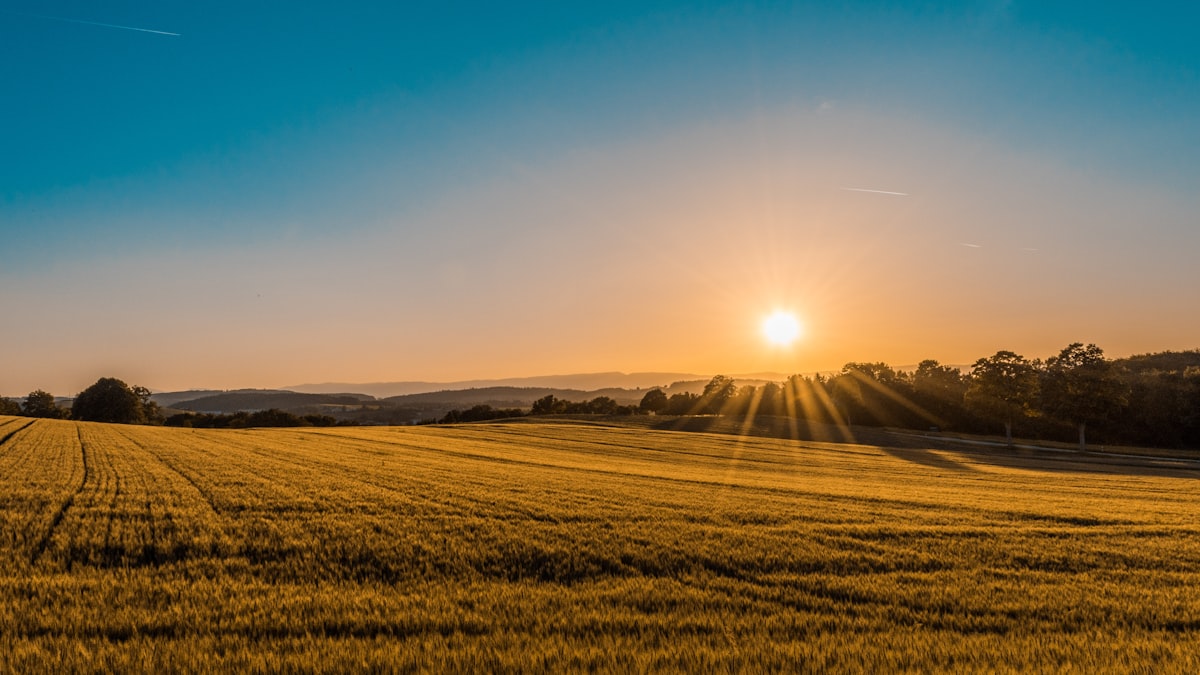
Farm landscape at golden hour
Plate i — The farm at the end of the dry season

§ IIOur story

The challenges Malawi gave us — and the response we chose.

Aquaponic for Life was established to respond to some of Malawi's most urgent challenges: food insecurity, youth unemployment, low fish production, expensive fish feed, limited access to quality fingerlings, and the slow adoption of sustainable farming technologies.

We use aquaponics and circular aquaculture as practical tools for development. Fish farming, vegetable production, organic waste recycling, insect protein production, training and research are not separate departments — they are facets of one farming idea.

We believe that aquaculture can become one of Malawi's strongest tools for improving nutrition, creating jobs, empowering young people, and building climate-resilient communities. The farm is a demonstration site, a training centre, a production unit, and an innovation lab — at once.

A4L works with farmers, youth, schools, researchers, development partners, and institutions to promote practical aquaculture technologies that can be adopted in Malawi and beyond.
§ IIIVision

To become a leading centre of excellence in sustainable aquaculture, aquaponics and circular food systems in Malawi and the region — transforming communities through innovation, training and climate-smart food production.

§ IVMission

To improve livelihoods, nutrition and food security by designing, demonstrating and scaling sustainable aquaculture and aquaponic systems, producing quality fish seed, training farmers and youth, and promoting circular bioeconomy solutions.

§ VCore values

Six standards we measure every season against.

  1. § 01Value

    Innovation

    We use practical and research-based technologies to solve real challenges in aquaculture and food production.

  2. § 02Value

    Sustainability

    We promote farming systems that save water, recycle nutrients, reduce waste, and support environmental resilience.

  3. § 03Value

    Community Impact

    Our work is designed to benefit farmers, youth, women, schools, and local communities.

  4. § 04Value

    Excellence

    We aim for high standards in fish breeding, hatchery management, aquaponics, training, and service delivery.

  5. § 05Value

    Knowledge Sharing

    We believe that training and mentorship are essential for transforming Malawi's aquaculture sector.

  6. § 06Value

    Youth Empowerment

    We invest in children and young people — the future farmers, scientists, entrepreneurs and leaders of Malawi.

§ VIWhat makes A4L unique

Four answers to the question — "why A4L?"

One

Integrated circular farming model

Fish farming produces nutrient-rich water; aquaponic beds use those nutrients to grow vegetables; organic waste is converted into black soldier fly larvae; larvae contribute to affordable fish feed. The model reduces waste, improves food production, supports farmer learning, and creates practical solutions for communities.

Two

A practical training & demonstration centre

A4L is not only producing fish and vegetables; it is also training farmers, youth, children and communities using real systems on the farm. The farm is a living classroom for sustainable aquaculture, aquaponics and circular farming.

Three

Youth and community transformation

Through Generation Game Changers, A4L trains primary school children in practical agriculture, aquaculture, aquaponics, black soldier fly production, hatchery work and life skills — four times every week.

Four

Among Malawi's emerging catfish breeders

Probably among the best catfish breeders in Malawi, driven by hands-on hatchery experience, continuous learning, and a commitment to improving Malawian catfish — including a first-generation selective breeding programme.